Skal du på Patentstyrets varemerke- og designfrokost 1. desember? Da håper vi du har anledning til å bli igjen litt i Wergelandsveien etterpå.
Vi i Brækhus har nylig flyttet inn i Brækhuset, og etter frokostmøtet åpner vi dørene for gløgg, pepperkaker og en uformell førjulsprat med gamle og nye venner i IP-miljøet.
Ingen flere foredrag og ingen tettpakket agenda. Bare en anledning til å fortsette samtalene fra morgenen, treffe kolleger i bransjen og samtidig ta en titt på vårt nye hus.
Dato: 1. desember 2026 Tid: ca. kl. 10.45 (gløgg og pepperkaker serveres) Sted: Brækhus Advokatfirma, Wergelandsveien 15
Dual Use, Double Risk: The Tightening of International Research Collaboration in Norway
Research institutions are navigating an increasingly complex landscape when it comes to international collaboration. As the line between civilian and military applications blurs, «dual-use» technologies have come under strict scrutiny. Driven by geopolitical tensions and national security concerns, institutions are establishing firmer controls, with some considering outright bans on partnering with researchers from «red-listed» countries.
Norway’s foundational modern export control framework was heavily shaped by the late-1980s Kongsberg våpenfabrikk scandal, where advanced multi-axis milling machines were illicitly exported to the Soviet Union, severely compromising Western submarine acoustic tracking security. Though handled largely as a massive political, corporate, and regulatory turning point rather than a standalone contemporary prosecution of this scale, it permanently anchored strict export laws in Norway.
The NTNU Case: A Cautionary Tale
The case of a German-Iranian professor at the Norwegian University of Science and Technology (NTNU) highlights the severe personal and institutional consequences of these tightened controls. In 2019, the professor invited four Iranian guest researchers to his lab. The guests were given access to a scanning electron microscope (SEM).
While SEMs have been commercially available since the 1960s, Norwegian law classifies them as dual-use technology because they can be used to study materials relevant to nuclear weapons development. The professor was charged with violating export control rules for failing to obtain a license. Although initially convicted and sentenced to eight months in prison, he was later fully acquitted on appeal. The appellate court found that the use of the SEM fell under exemptions for basic research and information already in the public domain.
Despite the acquittal, the case had a profound impact. It ended the professor’s academic career and led NTNU to implement strict new security protocols.
Formalizing Risk Assessment
In response to these events and the broader regulatory climate, institutions developed clearer guidelines. NTNU now requires researchers to actively assess export control and security risks, using specific forms to identify risks related to partners, export control, and international sanctions.
Key aspects that must be considered include:
National Security: Whether research could impact Norway’s fundamental security interests, such as critical infrastructure or defense capabilities.
International Sanctions: Whether collaboration involves sanctioned countries or institutions.
Export Control: Whether the project utilizes dual-use technology that could require government licensing to share internationally.
But one thing is hardware – what about the publication of an article that teaches something that is export controlled, i.e. export of knowledge?
The 2025 Regulatory Overhaul and DEKSA Guidelines
Recognizing that universities needed more predictable frameworks, the Norwegian Government introduced significant amendments to the export control regulations in late 2025, citing a «new and more serious threat landscape.»
A key conceptual shift in the updated regulations is the replacement of the broad term «knowledge transfer» with the more precise «technology transfer.» To balance national security with the need for academic freedom, the government explicitly codified exemptions from licensing requirements for basic research and for technology transfers occurring within Norway to citizens of EU, EEA, and NATO countries.
Simultaneously, the Directorate of Export Control and Sanctions (DEKSA) issued targeted guidelines for the higher education sector. Universities are now required to exercise «special vigilance» when admitting foreign students or hiring researchers in sensitive fields at the master’s and PhD levels. Disciplines under intense scrutiny include life sciences (biotechnology), chemistry, nuclear physics, and aerospace technology, due to their potential application in the development of weapons of mass destruction (WMD) or their delivery systems. Furthermore, specialized sanctions completely prohibit the admission of North Korean students to these WMD-relevant fields.
The Ripple Effect: Broadening Interventions
The heightened focus on national security is not limited to academic research; it extends to foreign direct investment (FDI). In 2021, the Norwegian Government blocked the sale of Bergen Engines, a Rolls-Royce subsidiary, to a Russian-controlled buyer.
Crucially, this transaction did not trigger a mandatory filing under standard rules. However, the Norwegian Government possesses broad, sector-agnostic powers to intervene against any transaction that poses a «not insignificant risk» to national security. The veto was based on concerns that Russia would gain access to strategically important know-how and technology.
Balancing Security and Scientific Progress
The convergence of dual-use regulations and broad national security powers creates significant friction for international engagement. The fear of prosecuting missteps has led to what some call «hyper-enforcement» by university administrators. Bureaucratic hurdles, such as prolonged waits for export licenses, actively discourage hiring researchers from «red-listed» countries like China. Indeed, some research centres have ceased all hiring from Iran, China, and Russia entirely. Applying for an export license to hire a Chinese researcher, can lead to paperwork being held up interminably, threatening the funding of a project. Who can risk that? Good researchers will get tired of waiting and find another job in the meantime.
Not to mention the many pitfalls one may encounter in international collaboration. What if information passed from Norway to a collaborating team that includes researchers from a sanctioned state? – as we know from the Kongsberg case mentioned above, Norway has even stricter export laws than many other European states.
What about Intellectual Property (IP)?
For companies developing dual-use technologies, managing IP requires a delicate balance between securing commercial patents, protecting state secrets, and attracting investors.
Key IP considerations include:
Asset Tracking: Identify and track core IP assets (systems, algorithms, source code) and perform freedom to operate (FTO) analyses.
Contractual Safeguards: Ensure all collaboration and licensing agreements contain comprehensive IP clauses addressing ownership and dissemination restrictions.
Export Restrictions: Assess whether your patent filings or cross-border tech developments require an export license before sharing data internationally.
Summary
While protecting national security is paramount, the current paradigm risks casting all research as suspect. The 2025 updates to Norwegian export regulations and DEKSA guidelines represent a critical attempt to introduce clarity—protecting critical assets and deterring WMD proliferation without entirely stifling the open scientific collaboration that drives global progress. Striking this balance will remain a defining challenge for Norwegian institutions in the years to come.
Dual Use by Design: How to succeed scaling up solutions for civilian markets and defence needs
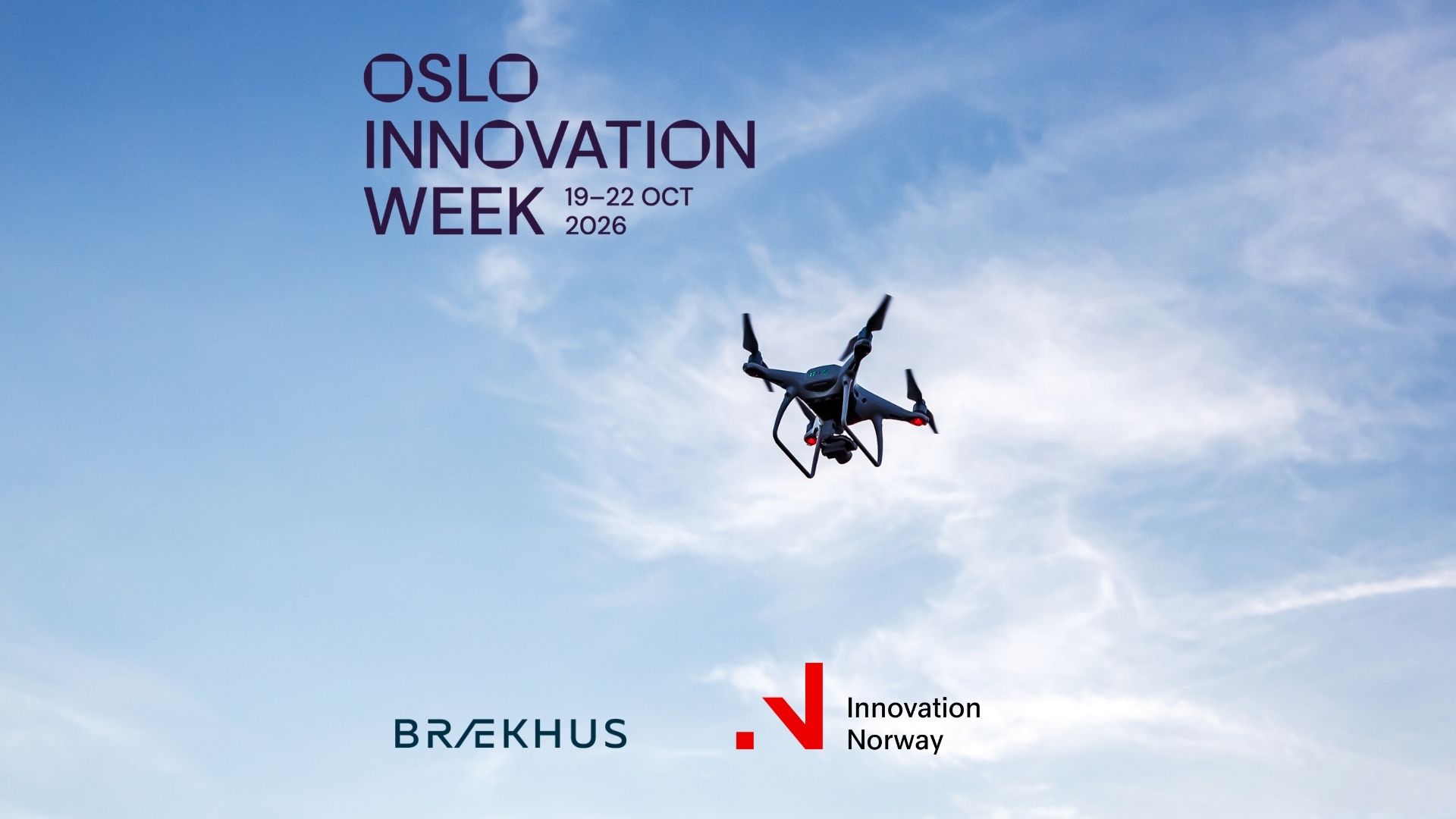
Norwegian start-ups and scale-ups are developing world-class technologies in autonomy, sensors, robotics, cyber security, space, energy and maritime operations. Many of these technologies are built for civilian markets, but the same capabilities are increasingly relevant for defence, emergency preparedness, critical infrastructure protection and national security. Join Brækhus and Innovation Norway during Oslo Innovation Week 2026 for a seminar on navigating this new dual-use landscape.
This seminar explores the new dual-use landscape: how founders can recognize dual-use potential early, how investors and public buyers can support responsible scaling, and how Norway can turn civilian innovation into trusted defence capabilities. Through founder cases and a practical panel discussion, we will look at opportunities and dilemmas around customer selection, export control, procurement, IP, data, financing and international growth.
Four perspectives
The IP perspective: patents, trade secrets & data
The regulatory perspective: export control & procurement
The growth perspective: scaleup programs & international growth
The financial perspective: sources in Norway and in the EU
Speakers and panellists
Einar Gustafson – Head of Defence (Innovation Norway)
Aleksander Leonard Larsen – CEO (Stendr)
Thomas Bentzen – CEO & Founder (Locat3d)
Howard Read – EPA, Director Patents (Dehns IP)
Ann Ingeborg Wålen – Head of Deep Tech Innovation, Defence & Dual Use (Kjeller Innovasjon)
Felipe Aguilera-Børresen – IP Strategy Advisor, Trade & International Growth (Innovation Norway)
Elisabeth Ohm – Partner, Head of IP (Brækhus)
Benedikte Slørdahl Skjærpe – Partner, Public Procurement (Brækhus)
Format
The panel discussion itself runs for 45 minutes. Afterwards we set aside a full hour for follow-up conversations and informal networking, giving you the chance to speak directly with the panellists and to meet other founders, investors and public buyers working in the dual-use space. Total duration: 2 hours.
Brækhus styrker IP-satsingen med Elisabeth Ohm som ny partner
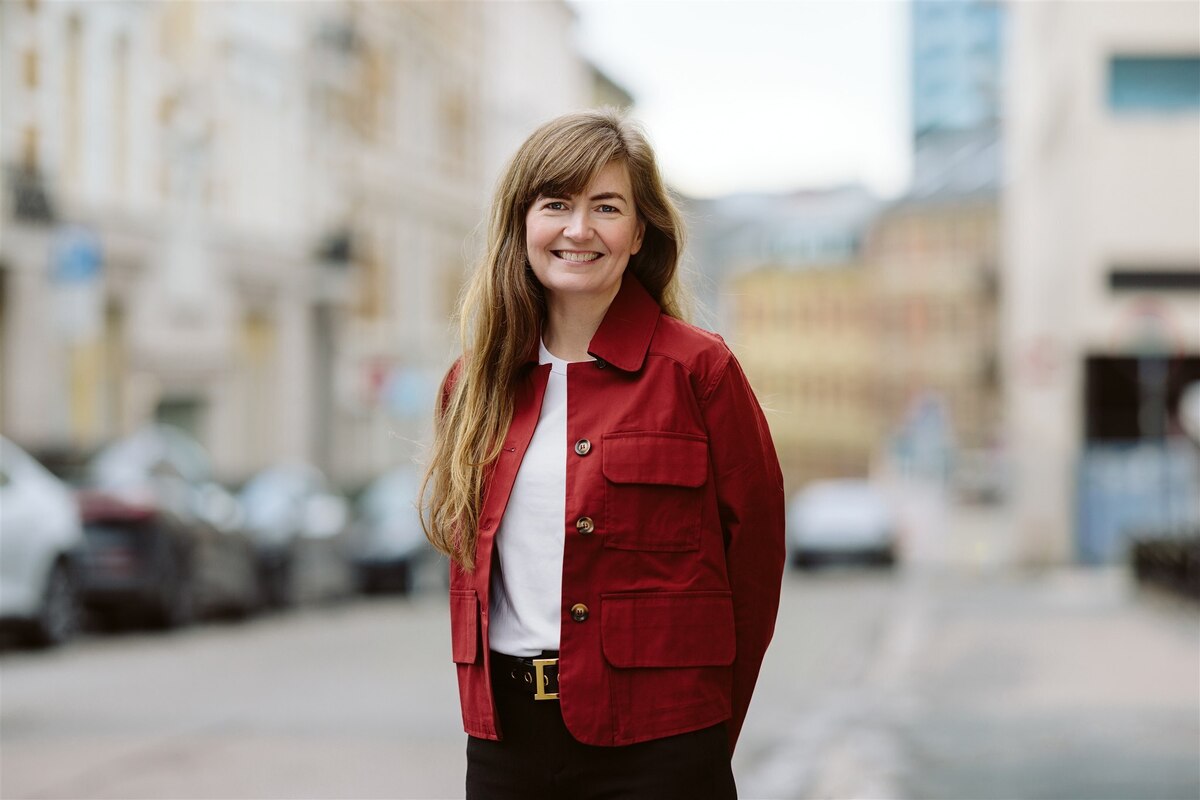
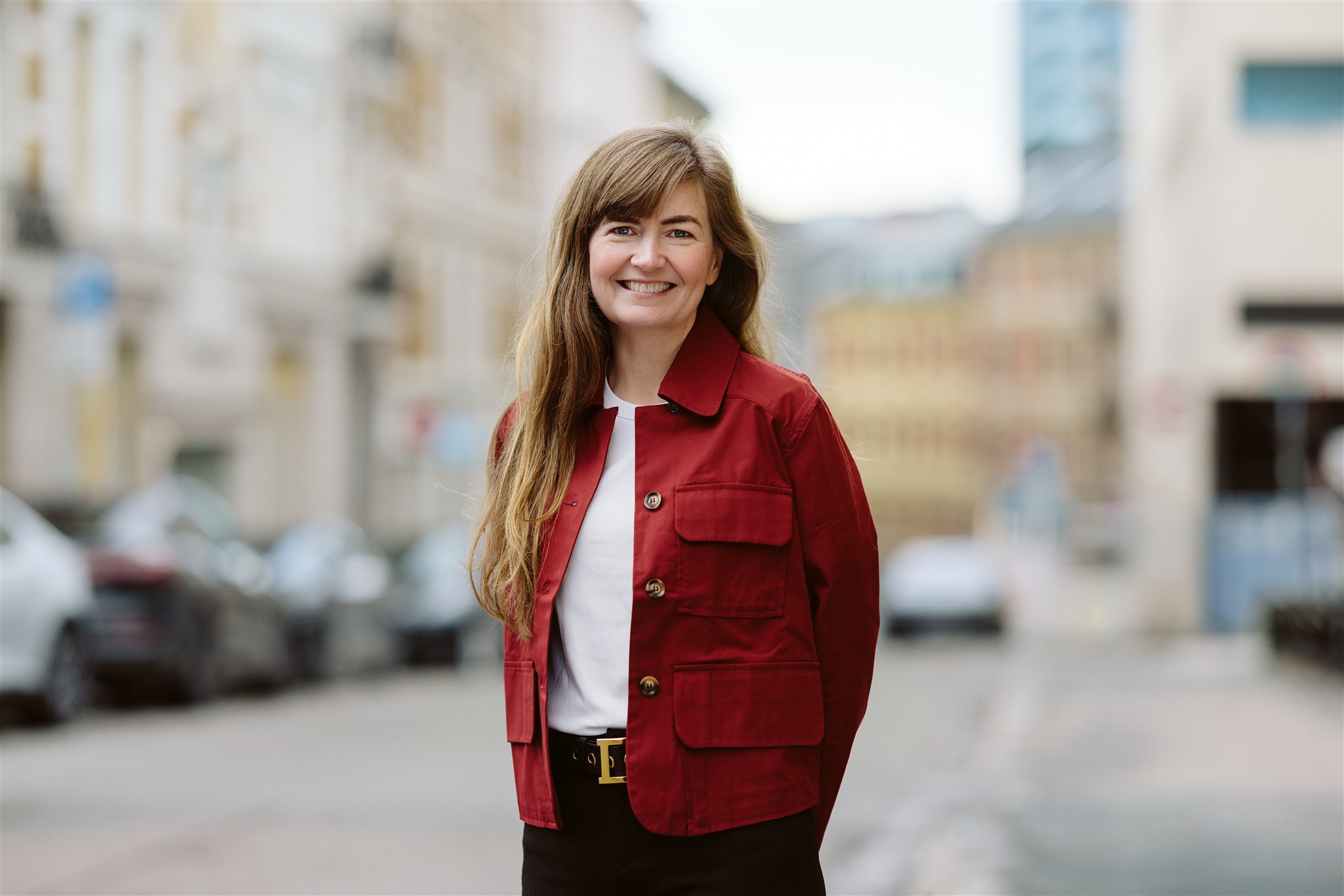
Elisabeth Ohm starter som partner og Head of IP i Brækhus. Med over 20 års erfaring innen immaterialrett går hun inn i et allerede sterkt fagmiljø, og bidrar til å videreutvikle firmaets satsing på området.
En av Norges fremste IP-advokater
Ohm har bred erfaring innen patent- og varemerkerett, og har prosedert flere omtalte og viktige saker for norske domstoler . Hun kommer fra rollen som partner og leder for tvisteløsning i Acapo Onsagers. Elisabeth har også bakgrunn fra offentlig forvaltning, noe som gir henne et helhetlig perspektiv på immaterialretten.
Fra 2013 var hun nestleder i Klagenemnda for industrielle rettigheter (KFIR), og fungerte som leder i 2021. Erfaringen fra både privat praksis og det offentlige gir henne en unik forståelse for både etablering og håndheving av immaterielle rettigheter.
Tar over ledelsen av et sterkt fagmiljø
Brækhus har over flere år bygget opp et anerkjent IP-miljø, og høster internasjonale rankinger for sin kompetanse både på individ- og firmanivå. Elisabeth Ohm går nå inn i rollen som Head of IP og skal utvikle Brækhus satsing på IP videre sammen med Julius Berg Kaasin.
Elisabeth er en av de aller beste på IP i Norge – det er få av hennes kaliber. Jeg er imponert over hennes faglige engasjement og det skarpe blikket hun har for IP-retten i hele sin bredde. Med hennes tydelige profil på IP-tvist passer hun også perfekt inn i Brækhus’ satsing på dette. Jeg er veldig glad for å få henne med på laget
Julius Berg Kaasin, Partner i Brækhus
Kaasin har siden 2021 ledet oppbyggingen av IP-satsingen i Brækhus, med mål om å etablere et fagmiljø som bistår på tvers av hele immaterialrettsfeltet. Han fortsetter som leder av TEKnologiteamet, og vil fortsatt være en sentral del av arbeidet med immaterialrett i firmaet.
IP-spørsmål oppstår sjelden isolert, men henger tett sammen med virksomheters kommersielle og strategiske beslutninger. Brækhus har derfor et helhetlig perspektiv på immaterialrett og bistår klienter på tvers av alle sentrale områder, herunder varemerker, patenter, design og opphavsrett, samt tilgrensende rettsområder som markedsføringsrett, forretningshemmeligheter, datatilgang og AI. Gjennom Brækhus IP tilbyr vi også porteføljetjenester for varemerker og design, som gir virksomheter løpende oversikt og oppfølging av egne rettigheter, både nasjonalt og internasjonalt.
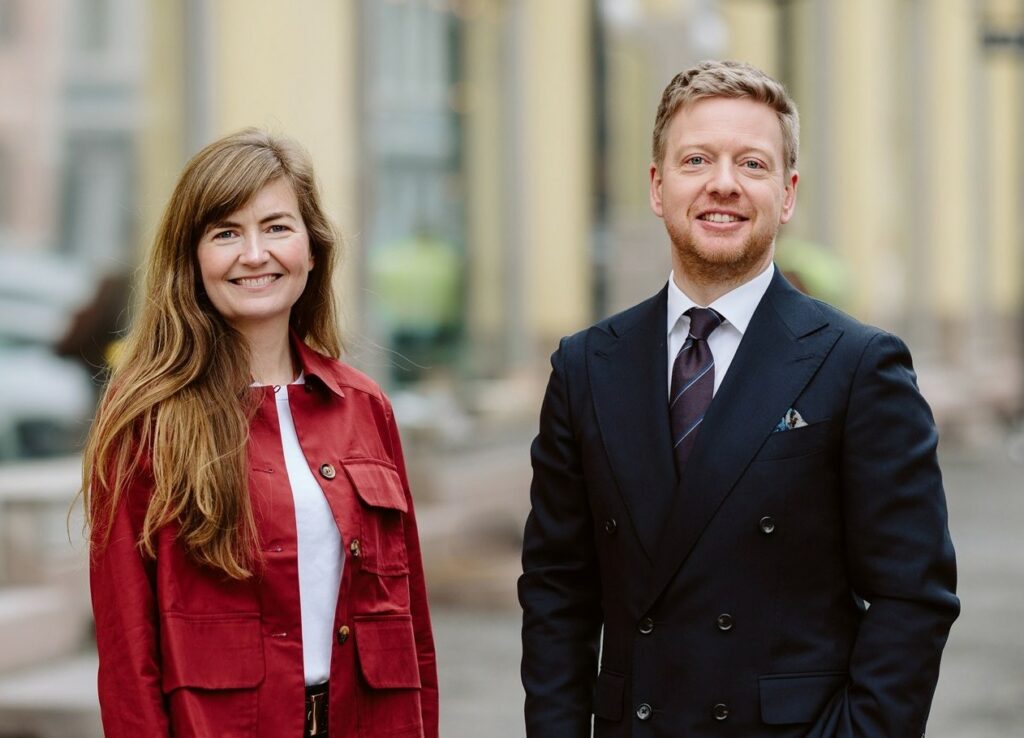
Elisabeth Ohm og Julius Berg Kaasin er partnere i Brækhus.
Ser frem til å bygge videre
Ohm har fulgt Brækhus over tid, og ser frem til å bli en del av miljøet.
Jeg har fulgt med på Brækhus i mange år og liker godt det de står for. Nå gleder jeg meg til å bli en del av laget og bidra til å bygge videre herfra. Jeg tar med meg erfaring fra både KFIR og komplekse IP-saker, og ser frem til å bruke denne til beste for klientene
Elisabeth Ohm, Partner i Brækhus
Beskyttelse av IP blir viktigere og mer komplekst
Immaterialrett handler om å beskytte det som skaper verdi. I takt med rask teknologisk utvikling øker både betydningen av slike rettigheter og kompleksiteten i arbeidet med dem. Med Elisabeth Ohm på laget styrker Brækhus sitt team i møte med denne utviklingen.