Unrest in the Strait of Hormuz Can Overturn Calculations in Norwegian Projects – Who Pays the Bill?
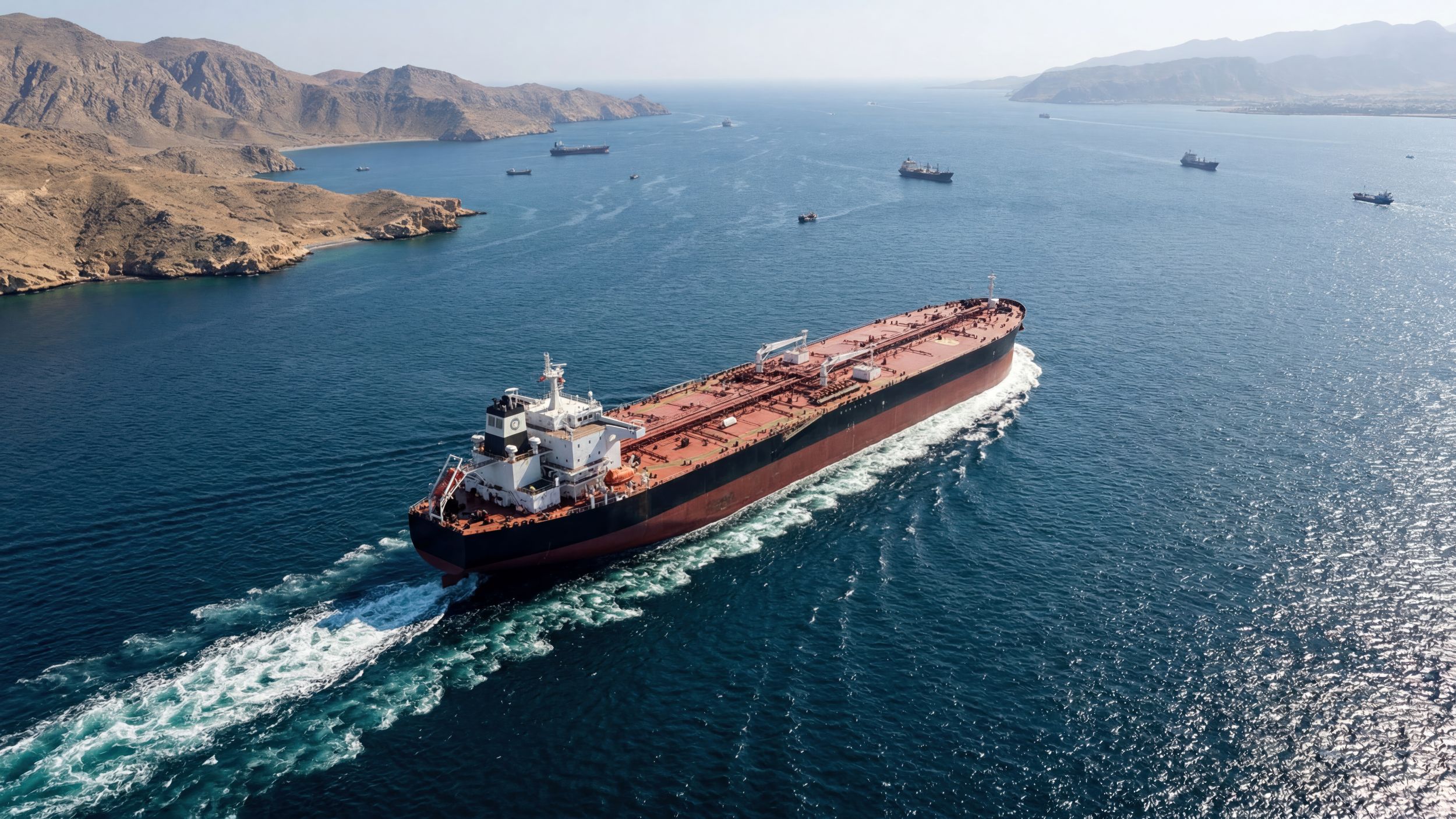
Unrest and increased risk in the Strait of Hormuz can directly impact Norwegian construction, supply chain, supplier, and maritime projects through more expensive raw materials, freight, and insurance. When the cost picture changes during the project, it becomes crucial what the contract actually says about price adjustment, force majeure, and renegotiation – and who ultimately bears the bill.
When the Market Outpaces the Contract
Raw material prices, freight, customs duties, sanctions, and insurance costs can change rapidly. When the market shifts, the question becomes simple: Who bears the cost? For actors with thin margins, the answer can determine both liquidity and continued operations.
Many Norwegian standard contracts, including NS 8405, NS 8406, and NS 8407 with their associated sub-contractor contracts, as well as the still widely used NS 8409, do not always provide adequate protection against today’s rapid cost fluctuations. Several of these contracts were developed in an era of greater stability and predictability than the industry has experienced in recent years. The consequences have been significant for many actors. An important exception is the newer NS 8411 and NS 8412, which contain hardship clauses.
Who Bears the Brunt? Three Clauses That Determine the Risk
The starting point is simple: Fixed price usually means you bear the risk of increased costs. The Purchase Act, which supplements certain contracts, provides no general right to adjust the price simply because performance becomes more expensive. If you are to have price adjustment, time extension, or exemption from liability, it must be clearly stated in the contract. Additionally, it is very important whether the parties have chosen an index that captures relevant cost factors, or whether the regulation is based on more general indices.
1) Price Adjustment: When Can the Price Go Up?
The short answer is that the price can only be increased if the contract provides a basis for it. This can, for example, be agreed through index-based adjustment of the contract sum, periodic updates of price lists in framework agreements, or specific thresholds for price changes. Such thresholds can provide that the price may be adjusted if costs for raw materials, currency, freight, fuel, insurance, customs duties, or documented import costs increase by more than an agreed percentage.
If the contract is silent or unclear, the counterparty is in a strong position to reject the claim. A fixed-price contract without index adjustment generally provides no right to higher payment even with sharp price increases, nor where the increase is due to global crises beyond the parties’ control.
At the same time, index adjustment is not always sufficient, especially not in turbulent times. In recent years, price increases have often been rapid and tied to specific products or cost factors, while Statistics Norway’s indices are more general and can lag in their response. The result can be that the regulation does not capture the actual cost increase in the project, particularly where purchases must be made before the indices reflect market developments. Therefore, it is important to choose an index that captures the cost factors that actually drive costs in the delivery.
2) Force Majeure Provides Relief, But Rarely Payment
Force majeure can protect the seller from liability for damages due to delay when the impediment lies outside the seller’s control, cf. the Purchase Act § 27. However, the provision does not in itself grant the right to increase the price. The fact that the delivery has become more expensive is not enough. A claim for adjustment of remuneration must have a basis in the contract.
Therefore, notice is important. The seller must notify the buyer within a reasonable time about the impediment and what significance it has for the delivery. A good notice should be concrete: What has happened, which parts of the delivery are affected, and what are the consequences for time, costs, or performance? Late or unclear notice can weaken the negotiating position, and in some cases trigger liability for losses that could have been avoided.
3) Hardship: When the Agreement Can Be Performed, But the Math Breaks Down
Hardship concerns situations where delivery is still possible, but costs have increased so much that the balance of the contract is shifted. Norwegian law does not automatically provide the right to renegotiation or price adjustment in such cases, and the threshold is high. Therefore, the contract itself should regulate when extraordinary price increases, sanctions, transport disruptions, or other market disturbances provide grounds for renegotiation or adjustment.
Until the standard contracts are possibly revised, parties should agree on their own provisions that distribute the risk of extreme price increases more equitably and should not rely solely on index adjustment.
4) Who Is Left Holding the Bag?
In practice, it is especially three questions that determine who bears the risk: Is the price completely fixed, or can it be adjusted according to an agreed rule? When does the price become binding – at the time of the offer, order, order confirmation, or delivery? And does the price adjustment also apply to goods already ordered but not yet delivered, or only to new orders?
This is often where conflicts arise. One party believes the price is locked. The other believes the contract allows for adjustment. In projects with daily penalties, delayed delivery can additionally result in liability for delay. Therefore, discussions about price should be kept separate from discussions about delivery.
How to Reduce the Risk of Being Left with the Cost Increase
The main point is simple: If the contract doesn’t say something clear, the price can become locked even if raw materials, freight, currency, customs duties, or insurance become more expensive. In that case, it helps little that the cost increase is real and well-documented. Without a clear right to price regulation, you have weak grounds for claiming compensation, and the counterparty can argue that the fixed price means you have taken on the risk of cost increases.
When can the price change? Agree on whether the price is completely fixed or whether it can be adjusted for specific cost increases, such as raw materials, currency, freight, fuel, insurance, or customs duties.
How should the increase be calculated? Specify which index should be used, which date the calculation should be based on, and whether customs duties, currency, freight, and fuel are included in the price or come on top.
What must be documented? The claim should be supported by the original cost estimate, actual cost increase, currency effects, freight surcharges, customs and tax documentation, insurance costs, and relevant sources such as Statistics Norway, Norges Bank, supplier notices, etc.
What happens in case of force majeure? Force majeure can provide time extension or exemption from liability in case of a real delivery impediment, but does not automatically grant the right to higher payment. If the event is also to result in price adjustment, this must be stated in the contract.
When should the parties renegotiate? A hardship clause should state when extraordinary market changes provide the right to renegotiation, how quickly the parties must meet, and what happens if they cannot reach agreement.
How should the parties communicate? Discussions about price should be clearly separated from delivery conditions. A claim for price adjustment should at the same time make clear that the delivery obligation remains, unless otherwise agreed. This reduces the risk of disputes about delivery, deadlines, daily penalties, or compensation.
The point is not to make the contract unnecessarily complicated. The point is to agree in advance on who bears the risk if the market changes. For businesses in construction, supply chain, supplier industries, and the maritime sector, a precise price adjustment, force majeure, or hardship clause can be the difference between a manageable cost increase and a conflict that eats up margins.
Contact us
Do you have any questions or need assistance? Contact us directly or fill out the form below.